
AI for Patient Communication in Dentistry: The Complete Guide for Modern Dental Clinics
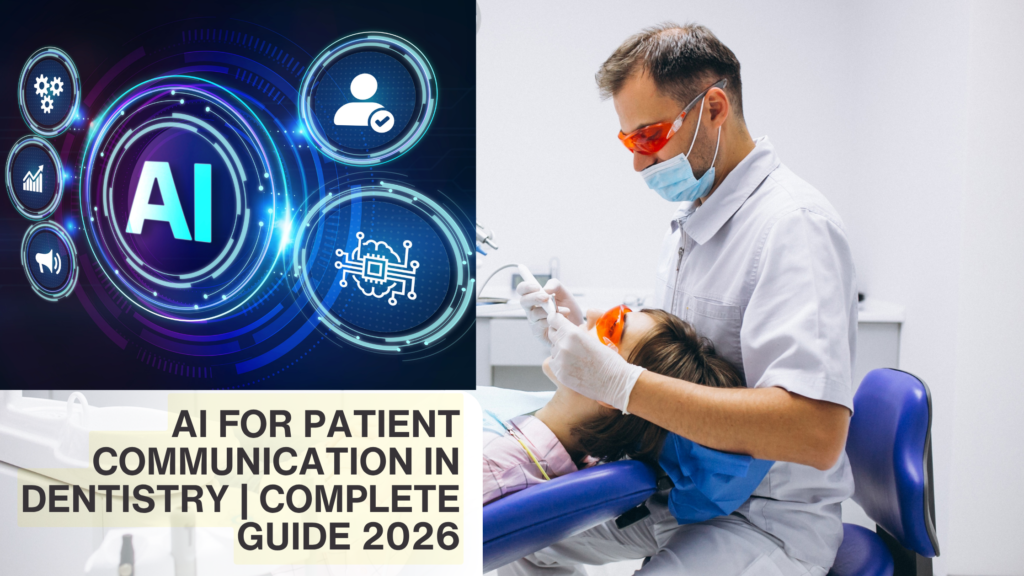
Artificial Intelligence (AI) is transforming the way dental clinics communicate with patients. From answering common questions to sending appointment reminders and following up after treatment, AI-powered tools are helping dentists provide faster, more personalized, and more efficient patient care.
For busy dental practices, effective communication is essential for building trust, reducing missed appointments, and improving patient satisfaction. AI can automate repetitive tasks while allowing dentists and staff to focus on delivering quality clinical care.
In this comprehensive guide, you’ll learn how AI is changing patient communication in dentistry, its benefits, practical applications, and the best practices for implementing AI in your dental clinic. Know about Best AI Tools for Dentists India: Complete Guide 2026.
Why Patient Communication Matters in Dentistry
Patient communication begins long before a patient sits in the dental chair. It includes:
- Answering treatment inquiries
- Booking appointments
- Sending reminders
- Providing treatment instructions
- Following up after procedures
- Managing emergency questions
- Collecting patient reviews
- Educating patients about oral health
Poor communication often results in:
- Missed appointments
- Reduced patient satisfaction
- Lower treatment acceptance
- Increased workload for front desk staff
- Negative online reviews
AI helps solve many of these challenges by providing instant, consistent, and automated communication.
What Is AI for Patient Communication?
AI for patient communication refers to the use of artificial intelligence technologies such as chatbots, virtual assistants, voice agents, and automated messaging systems to interact with patients throughout their dental journey.
These systems can:
- Answer frequently asked questions
- Schedule appointments
- Send reminders
- Respond to WhatsApp messages
- Provide post-treatment instructions
- Collect feedback
- Assist patients 24/7
Instead of replacing dental staff, AI works as a virtual assistant that improves efficiency.
Benefits of AI for Patient Communication in Dentistry
1. 24/7 Patient Support
Patients often search for dentists after working hours. AI-powered chatbots can answer questions and schedule appointments even when the clinic is closed.
Benefits include:
- Immediate responses
- Increased patient satisfaction
- More appointment bookings
- Better patient experience
2. Automated Appointment Scheduling
Scheduling appointments manually consumes valuable staff time.
AI scheduling systems can:
- Check available slots
- Suggest appointment times
- Confirm bookings
- Handle cancellations
- Reschedule appointments automatically
This reduces administrative workload while improving convenience for patients.
3. Appointment Reminders
Missed appointments are costly for dental clinics.
AI can automatically send reminders through:
- SMS
- Voice calls
Patients receive reminders several days before their visit, significantly reducing no-show rates.
4. AI WhatsApp Communication
WhatsApp has become one of the most preferred communication channels for patients.
AI-powered WhatsApp assistants can:
- Answer common questions
- Share clinic location
- Send treatment estimates
- Confirm appointments
- Send invoices
- Share oral hygiene tips
This creates a seamless communication experience.
5. AI Chatbots on Dental Websites
Many patients visit a dental clinic’s website before making an appointment.
An AI chatbot can instantly answer questions such as:
- What are your clinic timings?
- What treatments do you provide?
- How much does scaling cost?
- Do you accept insurance?
- How can I book an appointment?
Instant responses improve patient engagement and increase conversion rates.
AI Follow-Up After Treatment
Follow-up communication is crucial for patient care.
AI can automatically send messages after procedures like:
- Tooth extraction
- Root canal treatment
- Dental implants
- Scaling
- Orthodontic treatment
Typical follow-up messages may include:
- Pain management instructions
- Medication reminders
- Dietary advice
- Oral hygiene instructions
- Follow-up appointment reminders
This enhances patient confidence and improves treatment outcomes.
AI for Patient Education
Patients often have questions about treatments.
AI assistants can explain:
- Dental implants
- Root canal treatment
- Teeth whitening
- Gum disease
- Oral hygiene practices
- Pediatric dental care
Providing accurate educational content helps patients make informed decisions and increases treatment acceptance.
AI Voice Receptionists
Modern AI voice assistants can answer incoming calls naturally.
They can:
- Book appointments
- Answer FAQs
- Provide clinic timings
- Share directions
- Transfer urgent calls to staff
- Confirm appointments
Voice AI is particularly useful for busy clinics with high call volumes.
AI for Review Collection
Online reviews influence patients when choosing a dentist.
AI can automatically request reviews after successful treatment by sending:
- Google review links
- Feedback forms
- Patient satisfaction surveys
More positive reviews improve your clinic’s online reputation and local search visibility.
AI Recall Systems
Many patients forget routine dental check-ups.
AI can automatically remind patients about:
- Six-month dental examinations
- Professional cleaning
- Orthodontic reviews
- Implant maintenance
- Periodontal maintenance visits
This improves patient retention while supporting preventive care.
AI Can Personalize Communication
Modern AI systems can personalize messages based on:
- Patient name
- Treatment history
- Age
- Preferred language
- Previous appointments
- Oral health needs
Personalized communication strengthens patient relationships and encourages long-term loyalty.
Challenges of Using AI in Dentistry
Despite its advantages, AI has limitations.
Challenges include:
- Initial setup costs
- Staff training requirements
- Data privacy and security considerations
- Need for human oversight
- Handling complex clinical questions
AI should complement dental professionals rather than replace them.
Best Practices for Implementing AI
To maximize the benefits of AI:
- Choose reliable AI software.
- Protect patient data and comply with local privacy regulations.
- Regularly review AI-generated responses for accuracy.
- Maintain a human option for complex queries.
- Update AI knowledge with current clinic information.
- Monitor patient feedback to improve communication.
Frequently Asked Questions
Can AI replace a dental receptionist?
No. AI can automate routine tasks such as answering FAQs, booking appointments, and sending reminders, but human staff remain essential for handling complex situations and providing empathetic patient care.
Is AI safe for patient communication?
Yes, when implemented with secure systems and appropriate privacy safeguards. Clinics should use reputable providers and comply with applicable data protection regulations.
Does AI improve patient satisfaction?
Yes. Faster responses, timely reminders, and personalized communication can improve the overall patient experience and reduce missed appointments.
Can small dental clinics use AI?
Absolutely. Many AI-powered chatbots and communication tools are affordable and scalable, making them suitable for solo practitioners and small clinics as well as larger practices.
What tasks should still be handled by humans?
Clinical diagnosis, treatment planning, informed consent discussions, and emotionally sensitive conversations should always involve qualified dental professionals.
Conclusion
AI is reshaping patient communication in dentistry by making interactions faster, more efficient, and more personalized. From chatbots and WhatsApp automation to appointment reminders and post-treatment follow-ups, AI helps dental clinics improve patient engagement while reducing administrative workload. Read one of our good article on How to Start Dental Clinic in Small Town.
However, the most effective approach is to combine AI with compassionate human care. By using AI to automate repetitive communication and allowing dental professionals to focus on clinical excellence, practices can enhance patient satisfaction, improve operational efficiency, and build lasting relationships.
Last Updated on July 4, 2026 by Dr. Anuran Ghosh Mondal

Dr. Anuran Ghosh Mondal is a BDS-qualified dentist, private practitioner and dental clinic owner with 12+ years of clinical experience in India. He is the founder of DentalClinicAlly.com and DentistUpgrade.com and has practical experience in Dental Clinic Business Consulting- dental practice management, patient acquisition, market analysis, branding, marketing and clinic growth.